

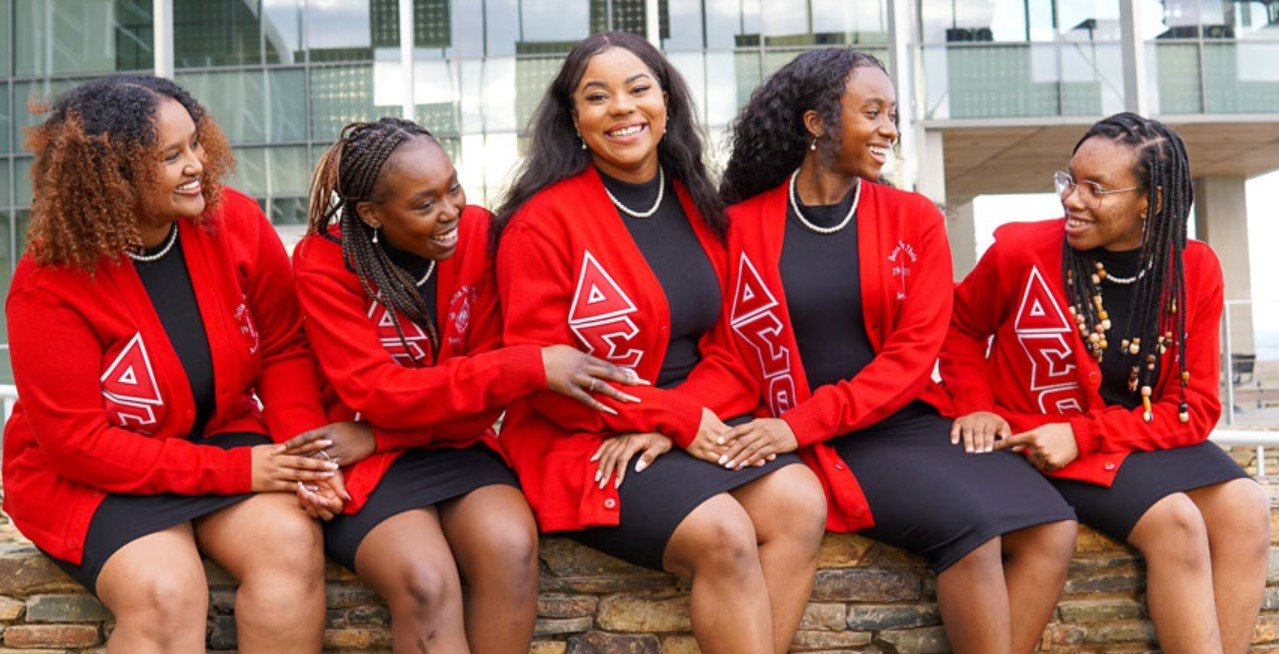
The story of First Black Fraternities and Sororities is deeply woven into the history of higher education, civil rights, and community empowerment in the United States. Established during a time when African American students were largely excluded from mainstream campus life, these organizations emerged as spaces of support, leadership development, and collective action. Their legacy continues to influence education, social justice, and philanthropy today.
The Historical Context Behind Their Formation
The first Black fraternities and sororities were founded in the early 20th century, a period marked by segregation, racial discrimination, and limited access to educational and professional opportunities for African Americans. Historically Black Colleges and Universities (HBCUs) and a small number of predominantly white institutions became the birthplaces of these organizations.
Black students faced social isolation and systemic barriers on campus. In response, they created organizations that fostered brotherhood and sisterhood, academic excellence, and mutual support. These groups were not simply social clubs; they were survival networks built to uplift members and advocate for progress.
The Birth of Black Greek Letter Organizations
The formation of Black Greek Letter Organizations (BGLOs) marked a turning point in African American student life. These fraternities and sororities emphasized scholarship, leadership, and service as core principles. Greek letters symbolized unity, tradition, and shared values, while rituals and codes of conduct reinforced discipline and purpose.
As the First Black Fraternities and Sororities grew, they established national structures that allowed them to expand beyond individual campuses. This growth helped create a powerful network of educated Black leaders across the country.
Leadership Development and Academic Excellence
One of the most enduring contributions of Black fraternities and sororities is their role in developing leaders. Members are encouraged to maintain high academic standards while participating in organizational leadership roles that build skills in communication, planning, and teamwork.
These organizations have produced generations of leaders in:
-
Education
-
Politics
-
Law
-
Business
-
Civil rights advocacy
By combining academic discipline with leadership training, BGLOs have helped members translate campus success into lifelong impact.
Commitment to Service and Community Uplift
Service is a defining pillar of the First Black Fraternities and Sororities. From their earliest days, these organizations recognized that education and success carried a responsibility to give back.
Service initiatives have historically included:
-
Voter registration and civic engagement
-
Scholarship programs
-
Health awareness campaigns
-
Youth mentorship and tutoring
These efforts extend the influence of BGLOs far beyond college campuses, strengthening communities and promoting social progress.
Role in the Civil Rights Movement
Black fraternities and sororities played a significant role during the Civil Rights Movement. Many members were directly involved in organizing protests, legal challenges, and advocacy efforts that pushed the nation toward equality.
The organizational structure and discipline of BGLOs made them effective platforms for mobilization. Members leveraged their networks to spread information, raise funds, and coordinate action, demonstrating the power of collective leadership.
Cultural Identity and Lifelong Brotherhood and Sisterhood
Beyond activism and service, these organizations provide a strong sense of identity and belonging. Rituals, traditions, and shared experiences create lifelong bonds among members.
This sense of connection is especially meaningful given the historical exclusion Black students faced in higher education. The First Black Fraternities and Sororities offered affirmation, pride, and a shared commitment to excellence that continues across generations.
Modern Impact and Continued Relevance
Today, Black fraternities and sororities remain active forces in education and social advocacy. While their missions have evolved, their core values remain unchanged. Modern initiatives often focus on:
-
Educational access and equity
-
Economic empowerment
-
Health disparities
-
Social justice reform
These organizations adapt to contemporary challenges while remaining rooted in historical purpose.
Addressing Misconceptions and Challenges
Like all institutions, BGLOs face challenges, including misconceptions about their purpose. While some view fraternities and sororities as purely social, the reality is far deeper. Their impact lies in structured service, leadership cultivation, and community engagement.
Addressing these misconceptions requires education and visibility, highlighting the tangible outcomes these organizations continue to produce.
Preserving History and Inspiring Future Generations
Understanding the legacy of the First Black Fraternities and Sororities is essential for appreciating their role in shaping Black leadership and educational advancement. Preserving their history ensures that future generations understand the sacrifices and vision that made these organizations possible.
For a deeper exploration of how these organizations were founded and the enduring legacy they continue to build, this resource provides historical context and modern perspective:
Conclusion
The First Black Fraternities and Sororities were born from necessity, strengthened through purpose, and sustained by commitment to service and leadership. Their influence reaches far beyond college campuses, shaping communities and advancing social progress.
