

Businesses handle a significant amount of information every day. From customer records and employee files to financial statements and internal reports, important documents move through different departments and pass between multiple employees. While digital security receives considerable attention, protecting physical paperwork remains equally important.
Many organizations store sensitive information in filing cabinets, storage rooms, and office archives. Over time, these records may become outdated or unnecessary. However, simply throwing old paperwork into ordinary rubbish bins can expose confidential information to unauthorized individuals. Developing a reliable information management system helps businesses reduce these risks and maintain professional standards.
Understanding the Importance of Information Protection
Confidential information is one of the most valuable assets a business possesses. Customer contact details, financial records, employee information, and business agreements should be handled carefully throughout their entire lifecycle.
If sensitive documents are discarded without proper precautions, unauthorized individuals may gain access to information that could be misused. This can lead to identity theft, financial fraud, privacy violations, and damage to a company’s reputation.
Organizations should therefore establish clear procedures for managing records from the moment they are created until they are securely destroyed. These procedures should cover storage, access permissions, retention periods, and disposal responsibilities.
Creating a Secure Document Disposal Process
Every organization eventually needs to remove paperwork that is no longer required. However, the disposal process should be planned rather than treated as an ordinary cleaning activity.
Professional document shredding provides a practical way to destroy confidential paper records so that the information cannot easily be reconstructed or accessed by unauthorized people.
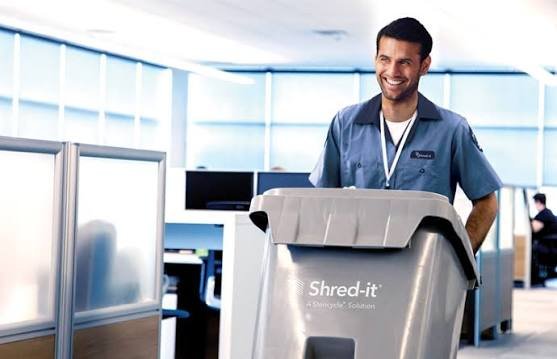
Businesses can use office shredders for smaller quantities of paperwork or work with specialized service providers when handling larger volumes. Professional providers may offer scheduled collections, secure containers, and on-site or off-site destruction services.
The appropriate approach depends on the sensitivity of the information, the volume of records, and the organization’s security requirements.
Identifying Which Records Require Special Attention
Not every piece of office paperwork contains confidential information. General advertisements, public brochures, and ordinary printed materials may not require specialized destruction.
However, certain records deserve additional protection. These can include:
-
Customer and client information
-
Employee personnel files
-
Payroll and salary statements
-
Financial reports and accounting records
-
Business contracts and legal documents
-
Insurance and banking paperwork
-
Internal company correspondence
Before destroying any record, businesses should verify whether it has reached the end of its required retention period. Certain financial, employment, and legal documents may need to be retained for specific periods under applicable regulations.
Improving Employee Awareness and Responsibility
Employees play an important role in maintaining information security. Even the most advanced office security system can become ineffective if staff members do not understand the correct procedures.
Businesses should provide clear instructions about handling confidential paperwork. Employees need to know which documents require secure disposal and where they should place them.
Designated collection containers can make the process easier. Placing these containers near administrative departments, accounting offices, and other relevant work areas encourages employees to follow established procedures. Need Roanoke document shredding call 1st Choice Shredding.
Regular training sessions can also explain common information security risks and demonstrate appropriate disposal practices.
Choosing a Reliable Professional Service Provider
Organizations with large quantities of confidential paperwork may benefit from working with an experienced destruction company. Professional providers often have specialized equipment and established procedures for handling sensitive records.
Before choosing a provider, businesses should consider several important factors, including security procedures, staff training, equipment quality, collection arrangements, and regulatory compliance.
It is also useful to ask whether the company provides a certificate of destruction. This document can serve as evidence that specific records were processed according to the agreed procedures.
Businesses should also understand whether documents are destroyed on-site or transported to an external facility. Knowing how materials are secured during transportation helps organizations evaluate the overall service.
Supporting Environmental Responsibility
Secure information disposal and environmental responsibility can work together. Paper materials may be recycled after they have been properly destroyed, depending on the service provider’s processes and applicable recycling requirements.
Recycling helps reduce the amount of paper sent to landfills and supports more efficient resource management.
Organizations can also reduce unnecessary printing by adopting digital recordkeeping systems. However, digital storage should include appropriate access controls, backups, and security measures.
A balanced approach allows businesses to manage both physical and electronic information responsibly.
Building a Long-Term Information Security Strategy
Protecting confidential records should be an ongoing business priority rather than an occasional administrative task. Organizations benefit from reviewing their document management procedures regularly and updating them whenever operational requirements change.
Combining secure storage, employee awareness, appropriate retention policies, and reliable disposal services creates a stronger information protection system.
Ultimately, responsible information management helps businesses protect customers, support employee privacy, and maintain trust. By establishing practical procedures for handling outdated paperwork, organizations can create safer offices and reduce unnecessary security risks.
