

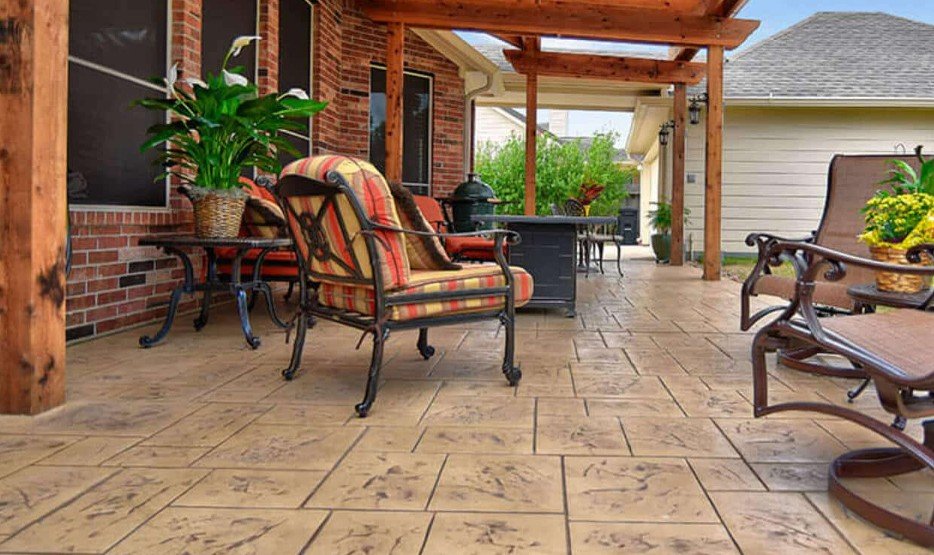
Residential decorative concrete services are a modern way to make ordinary concrete surfaces look stylish, durable, and high-end without the cost of natural stone, brick, or expensive flooring materials. From driveways and patios to walkways and pool decks, decorative concrete transforms plain gray surfaces into visually appealing designs while keeping the strength and durability concrete is known for.
In simple terms, it is the combination of function + design, where concrete is no longer just a structural material—it becomes part of your home’s aesthetic.
Looking for concrete contractors Lynchburg contact Sale Concrete Construction, Inc..
What Is Residential Decorative Concrete?
Decorative concrete refers to concrete that has been enhanced in appearance using colors, patterns, textures, or finishes. Instead of a flat gray surface, you can get designs that mimic:
- Natural stone
- Brick patterns
- Wood textures
- Tile designs
- Custom artistic finishes
It is widely used in residential spaces because it offers both beauty and long-lasting performance.
Where Decorative Concrete Is Commonly Used
Homeowners use decorative concrete in many areas of their property, including:
Driveways
A stamped or colored driveway creates a strong first impression and increases curb appeal.
Patios
Decorative patios turn outdoor spaces into relaxing areas for family gatherings or entertainment.
Walkways and Paths
Beautiful pathways improve garden design and make movement around the home more visually appealing.
Pool Decks
Textured concrete helps reduce slipping while enhancing the poolside look.
Garage Floors
Polished or coated concrete gives garages a clean, professional finish.
Types of Decorative Concrete Services
There are several methods used to achieve decorative finishes. Each has its own style and purpose.
1. Stamped Concrete
Stamped concrete is one of the most popular options. While the concrete is still wet, patterns are pressed into it to create textures like stone, brick, or slate.
Benefits:
- Affordable alternative to natural stone
- Highly customizable patterns
- Durable and long-lasting
2. Stained Concrete
Concrete staining adds color by penetrating the surface instead of covering it.
Types of stains:
- Acid-based stains (natural, earthy tones)
- Water-based stains (wide color variety)
Benefits:
- Unique, marbled appearance
- Fade-resistant finish
- Works well for indoor and outdoor surfaces
3. Polished Concrete
Polished concrete is created by grinding the surface until it becomes smooth and shiny.
Benefits:
- Modern, sleek appearance
- Low maintenance
- Reflects light, making spaces brighter
- Very durable for high-traffic areas
4. Exposed Aggregate Concrete
This finish reveals the stones and materials inside the concrete by removing the top layer.
Benefits:
- Natural, textured look
- Slip-resistant surface
- Strong and weather-resistant
5. Colored Concrete
Pigments are mixed directly into the concrete or applied on top to create different shades.
Benefits:
- Consistent color throughout
- Wide range of design choices
- Suitable for both modern and traditional homes
Why Homeowners Choose Decorative Concrete
Decorative concrete has become popular because it combines beauty with practicality.
1. Cost-Effective Design Upgrade
It is much cheaper than installing marble, granite, or natural stone.
2. Long-Lasting Durability
Concrete can withstand heavy use, weather changes, and outdoor conditions.
3. Low Maintenance
Most decorative concrete requires only occasional cleaning and sealing.
4. Customizable Designs
Homeowners can choose colors, textures, and patterns to match their home style.
5. Increases Property Value
A well-designed driveway or patio can improve curb appeal and overall home value.
How the Installation Process Works
A typical decorative concrete installation follows several steps:
Step 1: Site Preparation
The area is cleaned, leveled, and prepared for concrete pouring.
Step 2: Forming and Pouring
Concrete is poured into molds or designated spaces.
Step 3: Design Application
Depending on the method:
- Stamping is applied
- Colors or stains are added
- Textures are created
Step 4: Finishing Touches
Edges are refined, surfaces are smoothed, and details are completed.
Step 5: Curing and Sealing
The concrete is left to harden and then sealed for protection.
Maintenance Tips for Decorative Concrete
To keep decorative concrete looking new:
- Clean regularly with water and mild soap
- Avoid harsh chemicals
- Reseal every 2–3 years
- Fix small cracks early
- Avoid heavy impact or dragging sharp objects
Proper maintenance ensures long-lasting beauty and durability.
Common Mistakes to Avoid
Homeowners sometimes make mistakes that reduce the lifespan of decorative concrete:
- Skipping surface sealing
- Using incorrect cleaning products
- Poor installation by inexperienced contractors
- Ignoring drainage issues around the surface
Avoiding these problems helps maintain both appearance and strength.
Final Thoughts
Residential decorative concrete services offer a perfect balance between style, strength, and affordability. Whether you want a stylish driveway, a modern patio, or a safe pool deck, decorative concrete can transform plain surfaces into beautiful design features.
With the right materials, proper installation, and basic maintenance, decorative concrete can last for decades while keeping your home looking attractive and well-designed.
