

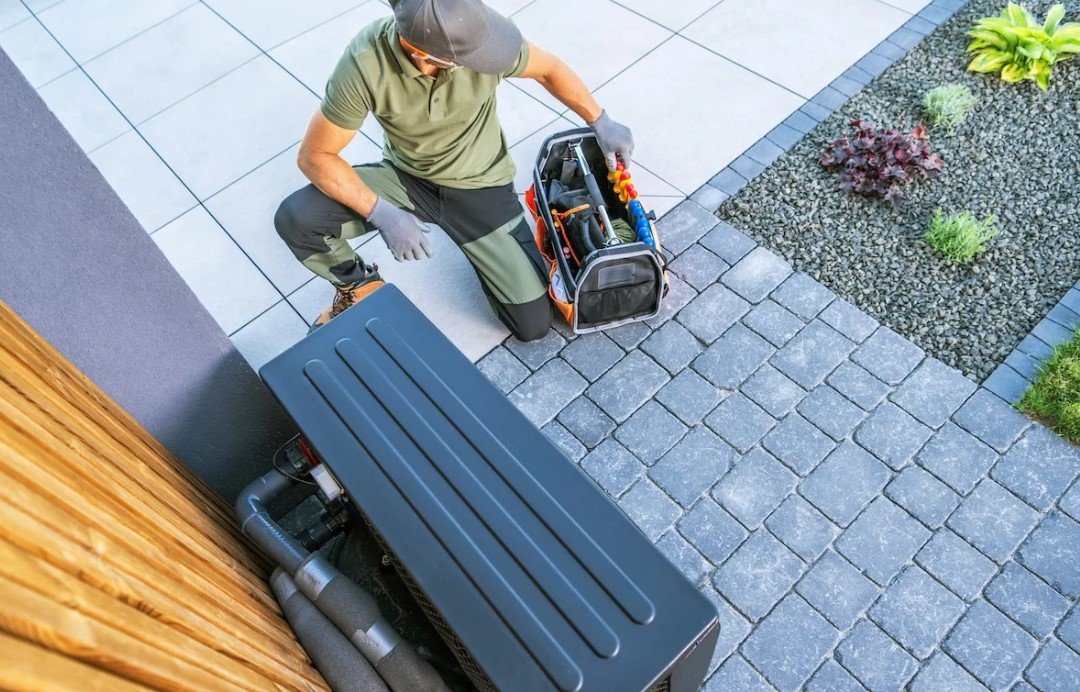
Housing inspections are an essential part of maintaining safe and livable rental properties. In the United States, properties connected to federal housing programs must follow specific guidelines set by the U.S. Department of Housing and Urban Development (HUD). These guidelines ensure that tenants live in safe environments while also allowing property owners and inspectors to verify that housing standards are being maintained.
One of the most important aspects of these inspections is tenant access. Landlords and inspectors cannot simply enter a unit whenever they wish. At the same time, tenants cannot refuse access when a legitimate inspection is scheduled. Understanding “HUD Rules: Tenant Access Requirements for Inspections” helps both tenants and property managers avoid misunderstandings and comply with federal housing policies.
Why HUD Inspections Are Necessary
HUD inspections are conducted to ensure that housing units meet safety, sanitation, and habitability standards. These inspections are often performed for properties participating in programs such as Section 8, public housing, or other federally assisted housing initiatives.
The goal is simple: protect residents while maintaining property quality. Inspections evaluate a variety of factors, including:
-
Structural safety
-
Electrical systems
-
Plumbing functionality
-
Smoke detectors and fire safety
-
Sanitation and pest control
-
Heating and ventilation
When these inspections are done regularly, potential hazards can be detected early. This prevents small problems from becoming expensive repairs or dangerous living conditions.
Because these inspections directly affect the wellbeing of tenants, HUD created specific guidelines about access and scheduling. These guidelines are detailed in “HUD Rules: Tenant Access Requirements for Inspections.”
Understanding Tenant Access Requirements
Under HUD regulations, tenants must allow reasonable access to their housing units when inspections are scheduled. However, access must be handled in a way that respects tenant privacy and legal rights.
The principles outlined in “HUD Rules: Tenant Access Requirements for Inspections” balance two important responsibilities:
-
The landlord’s duty to maintain safe housing.
-
The tenant’s right to privacy and proper notice.
HUD does not allow random or surprise inspections in most cases. Instead, the process typically includes advance notice and a scheduled inspection time.
Tenants are expected to cooperate with inspectors as long as the proper procedures are followed.
Advance Notice Requirements
One of the key elements of “HUD Rules: Tenant Access Requirements for Inspections” is advance notice. Property managers usually must inform tenants before entering their unit for inspection.
Although exact timelines may vary depending on local housing authority policies, the most common requirement is at least 24 hours’ notice before the inspection. This notice may be provided through:
-
Written letters
-
Email notifications
-
Posted notices in the building
-
Phone calls or text messages in some cases
The notice typically includes:
-
Date of inspection
-
Estimated time frame
-
Purpose of the inspection
-
Instructions for tenant preparation
Providing proper notice allows tenants to prepare their home and ensures transparency in the inspection process.
Situations Where Immediate Access Is Allowed
While advance notice is standard, certain emergencies allow property managers or inspectors to enter a unit without prior warning.
Examples include:
-
Fire hazards
-
Gas leaks
-
Flooding or major plumbing failures
-
Structural damage threatening safety
In these situations, immediate access is necessary to protect the building and residents. However, these emergency situations are exceptions rather than the rule.
Outside of emergencies, landlords must still follow the procedures described in “HUD Rules: Tenant Access Requirements for Inspections.”
Tenant Responsibilities During Inspections
Tenants living in HUD-assisted housing have certain responsibilities when inspections are scheduled. Cooperation helps ensure the process runs smoothly and prevents delays.
Typical tenant responsibilities include:
1. Allow Entry
Tenants must allow inspectors or authorized staff to enter their unit at the scheduled time.
2. Ensure Clear Access
Inspectors must be able to access key areas such as:
-
Electrical panels
-
Water heaters
-
HVAC systems
-
Smoke detectors
Blocked access can delay inspections and may require a follow-up visit.
3. Maintain Basic Housekeeping
While inspectors do not expect perfection, extreme clutter or unsanitary conditions may be noted if they create safety hazards.
Following these responsibilities ensures compliance with “HUD Rules: Tenant Access Requirements for Inspections.”
Landlord and Property Manager Responsibilities
Just as tenants must cooperate, property managers also have clear responsibilities under HUD policies.
These include:
Proper Notification
Landlords must provide timely notice before inspections.
Respecting Tenant Privacy
Entry should only occur for legitimate purposes such as inspections, maintenance, or repairs.
Professional Conduct
Inspectors and property staff must behave respectfully and limit their inspection only to necessary areas.
Scheduling Flexibility
When possible, landlords should consider tenant availability to reduce inconvenience.
By respecting these responsibilities, property managers uphold the guidelines outlined in “HUD Rules: Tenant Access Requirements for Inspections.”
What Happens If Tenants Refuse Access?
Refusing inspection access can create complications for both tenants and property managers.
HUD programs require inspections to verify that housing meets safety standards. If a tenant repeatedly denies access without valid reasons, consequences may occur.
Possible outcomes include:
-
Rescheduling the inspection
-
Formal warnings from the housing authority
-
Lease violations in severe cases
However, tenants also have rights. If proper notice was not given or if the inspection request seems unreasonable, tenants may request clarification or contact their housing authority.
The goal of “HUD Rules: Tenant Access Requirements for Inspections” is cooperation rather than punishment.
How Inspections Benefit Tenants
Although inspections may feel inconvenient, they offer several important benefits for tenants.
Safer Living Conditions
Regular inspections help identify hazards such as faulty wiring, gas leaks, or structural damage.
Faster Repairs
When inspectors identify issues, landlords are usually required to fix them within a specific timeframe.
Health Protection
Inspections help detect problems such as mold, pests, or water damage.
Accountability
HUD inspections ensure that property owners maintain proper housing standards.
For these reasons, many tenants view inspections as a valuable safeguard rather than an inconvenience.
Preparing for a HUD Inspection
Tenants can take a few simple steps to make inspection day easier.
Helpful preparation tips include:
-
Ensure smoke detectors are accessible
-
Clear pathways to electrical panels and heaters
-
Secure pets safely
-
Report maintenance issues before the inspection
These steps help inspectors complete their work quickly and efficiently.
By following preparation guidelines, tenants can fully comply with “HUD Rules: Tenant Access Requirements for Inspections.”
Conclusion
Housing inspections play a vital role in maintaining safe and livable homes in federally assisted housing programs. These inspections are designed to protect tenants while ensuring that property owners meet HUD’s safety and quality standards.
The guidelines outlined in HUD Rules: Tenant Access Requirements for Inspections establish a fair balance between tenant privacy and necessary property oversight. Tenants must allow reasonable access when inspections are properly scheduled, while landlords must provide notice and respect tenant rights.
