

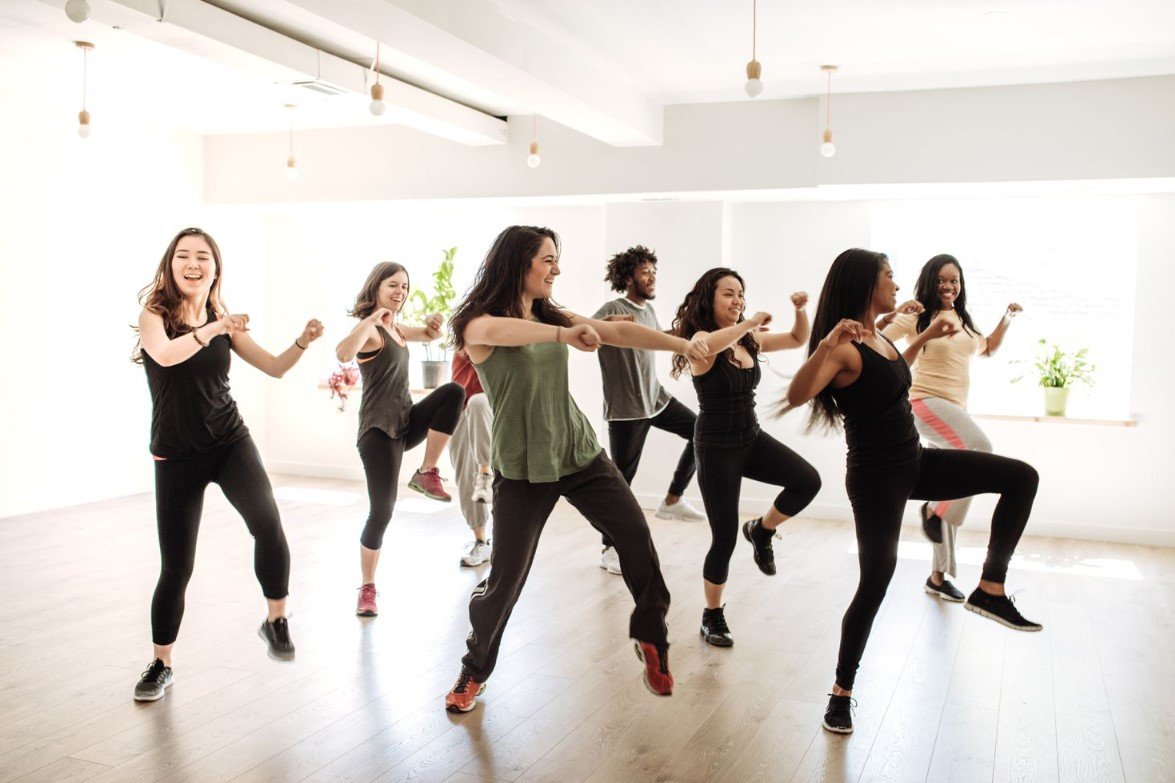
Stepping into a dance studio for the first time as part of a team can feel both exciting and intimidating. Music fills the room, mirrors reflect every movement, and dancers of different skill levels work together toward a shared goal. This environment is exactly where growth happens. Understanding What Dance Team Classes Entail helps dancers and parents alike appreciate how these structured programs do far more than teach choreography—they develop discipline, confidence, teamwork, and lifelong skills.
Understanding What Dance Team Classes Are
Dance team classes are structured training sessions designed for groups of dancers who perform together competitively or recreationally. Unlike casual dance lessons, these classes focus on synchronization, formations, performance quality, and group cohesion. Dancers learn how to move not just as individuals, but as part of a unified team.
A core part of What Dance Team Classes Entail is consistency. Classes typically run weekly or multiple times a week and follow a curriculum that builds skills progressively over time. This structured approach ensures dancers improve technically while adapting to team-based performance demands.
Core Components of Dance Team Classes
Warm-Ups and Conditioning
Every class begins with a thorough warm-up. This includes stretching, cardio exercises, and muscle activation to prevent injuries and improve flexibility. Conditioning strengthens key muscle groups used in jumps, turns, and lifts.
These routines also build mental focus, preparing dancers to engage fully with the class. Discipline learned during warm-ups carries over into other areas of life, from academics to professional settings.
Technique Training
Technique is the foundation of all dance styles. Dance team classes emphasize proper posture, alignment, footwork, and balance. Whether the team focuses on hip-hop, jazz, contemporary, pom, or lyrical dance, technique training remains essential.
When discussing What Dance Team Classes Entail, technique training stands out as a critical element. It ensures that every dancer performs movements safely and consistently, allowing the team to look polished and professional.
Choreography and Musicality
Choreography sessions teach dancers how to interpret music, hit accents, and transition smoothly between formations. Dancers learn timing, spatial awareness, and expressive movement.
Musicality—understanding rhythm, tempo, and phrasing—is developed through repeated practice. Over time, dancers become more confident in their ability to connect movement with music, a skill that enhances overall performance quality.
Team Synchronization and Formations
One of the most defining aspects of dance team classes is synchronization. Dancers practice matching energy levels, angles, and timing to create a visually unified performance.
Formations teach dancers how to move efficiently across the floor without collisions or gaps. This spatial awareness is a major part of What Dance Team Classes Entail, helping dancers think beyond themselves and focus on the group as a whole.
Performance Preparation and Stage Presence
Facial Expression and Projection
Dance is not just about steps—it’s about storytelling. Dance team classes train dancers to use facial expressions and body language to convey emotion.
Learning how to project confidence, even when nervous, is invaluable. This skill often translates into public speaking, presentations, and social interactions outside the studio.
Rehearsals and Run-Throughs
Repetition is key to mastery. Full run-throughs simulate real performances, helping dancers build stamina and consistency. Mistakes become learning opportunities rather than setbacks.
Through rehearsals, dancers understand accountability. Each member’s effort impacts the entire team, reinforcing responsibility and mutual respect.
How Dance Team Classes Build Physical Skills
Strength, Flexibility, and Endurance
Dance team classes are physically demanding. Over time, dancers develop stronger core muscles, improved flexibility, and greater cardiovascular endurance.
These physical benefits contribute to overall health and body awareness. Dancers often notice improved posture, coordination, and agility in daily life.
Coordination and Motor Skills
Complex choreography enhances coordination between arms, legs, and torso. Quick directional changes and precise movements sharpen motor skills.
This aspect of What Dance Team Classes Entail is especially beneficial for younger dancers, as it supports physical development during crucial growth stages.
How Dance Team Classes Build Confidence
Overcoming Fear and Self-Doubt
Performing in front of others can be intimidating. Dance team classes provide gradual exposure to performance environments, helping dancers overcome stage fright.
As dancers master routines and receive constructive feedback, self-doubt is replaced with self-belief. Each achievement—big or small—boosts confidence.
Goal Setting and Achievement
Teams often work toward performances, competitions, or showcases. These goals give dancers something tangible to strive for.
Achieving milestones reinforces a sense of accomplishment. Understanding What Dance Team Classes Entail reveals how goal-oriented training nurtures perseverance and resilience.
Positive Peer Support
Being part of a team creates a support system. Dancers encourage one another, celebrate progress, and work through challenges together.
This positive environment fosters self-esteem and teaches dancers how to thrive within a community—an essential life skill.
Life Skills Gained Beyond the Studio
Discipline and Time Management
Regular classes, rehearsals, and performances require commitment. Dancers learn how to manage their time effectively, balancing school, work, and training.
Discipline developed in dance team classes often carries over into academic success and professional growth.
Communication and Leadership
Dancers learn to take direction, offer feedback respectfully, and sometimes step into leadership roles. Older or more experienced dancers often mentor newer members.
These communication skills are a valuable part of What Dance Team Classes Entail, shaping confident leaders and team players.
Resilience and Adaptability
Not every rehearsal goes perfectly. Dancers face corrections, changes in choreography, and unexpected challenges.
Learning to adapt and persist builds mental toughness. This resilience becomes a powerful asset in all areas of life.
Who Can Benefit from Dance Team Classes?
Dance team classes are suitable for children, teens, and adults. Beginners gain foundational skills, while experienced dancers refine technique and performance quality.
Whether someone aims for competitive dance, school teams, or personal growth, understanding What Dance Team Classes Entail helps individuals choose a program aligned with their goals.
Choosing the Right Dance Team Program
When selecting a dance team class, consider factors such as teaching style, class size, dance genres offered, and performance opportunities. A supportive environment with qualified instructors makes a significant difference.
The right program will challenge dancers while nurturing their confidence and creativity.
Final Thoughts
Dance team classes are about far more than learning routines. They combine physical training, artistic expression, teamwork, and personal development into a transformative experience. By understanding What Dance Team Classes Entail, it becomes clear why so many dancers credit these programs with shaping not only their skills, but their confidence and character as well.
